Understanding Eye Contact Challenges in Autism
Eye contact can be a sensitive area for many autistic individuals, influenced by neurological differences, sensory processing variations, and social communication preferences. Instead of pressuring for eye contact, it is important to consider gentle, respectful approaches that encourage natural development and emotional safety. This article explores strategies to support eye contact without discomfort or shame, emphasizing patience, individualization, and positive engagement.
Why Eye Contact Can Be Challenging for Autistic Individuals
Neurological and sensory reasons for avoiding eye contact
Autistic individuals often experience neurological differences that influence how they process sensory information. Eye contact can produce sensory overload, causing discomfort or distress. The intensity of visual stimuli associated with looking directly at someone's eyes may overwhelm the brain's processing capabilities in autistic children, making eye contact physically and emotionally challenging.
Social communication differences
Communication styles in autism can differ significantly from neurotypical patterns. Autistic people may rely on direct or formal language and might not naturally interpret or convey non-verbal cues like facial expressions or gestures. These differences extend to eye contact, which some autistic individuals may find unnecessary or uncomfortable in communication. Rather than a deficit, these variations represent different ways of interacting and understanding others.
Anxiety and sensory overload
Anxiety often accompanies the sensory sensitivities experienced by autistic individuals. The pressure to maintain eye contact, especially in social settings, can heighten stress and worsen sensory overload. This interaction can lead to avoidance of eye contact as a coping mechanism to reduce anxiety and maintain emotional safety.
The Importance of Respectful, Pressure-Free Encouragement
Avoiding shame or force
Improving eye contact in autistic children should always be approached gently and respectfully. It's crucial to avoid any pressure or shame, as forcing eye contact can cause anxiety and resistance. Instead, encouragement must focus on creating a positive experience, allowing the child to feel safe and supported.
Fostering emotional safety and trust
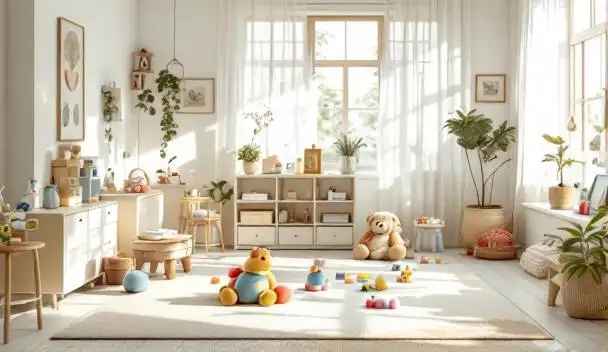
Building eye contact benefits greatly from emotional safety and trust. Quiet, one-on-one activities, such as reading or storytelling, provide natural settings where children feel comfortable making visual connections. Positioning oneself at the child's eye level and engaging in play-based interactions like peekaboo or blowing bubbles help foster connection without overwhelming or overstimulating the child.
Respecting individual comfort levels
Every child’s needs and comfort levels differ; some may avoid eye contact due to sensory overload or social processing differences. Acknowledging and respecting these differences is essential. Progress can be gradual, and small successes should be celebrated. Encouragement through choice-making and modeling relaxed eye contact offers rewarding and natural opportunities for autistic children to develop their social gaze on their own terms.
Play-Based Activities to Encourage Eye Contact Naturally
How does play help encourage eye contact in autistic children?
Play-based activities provide a gentle and enjoyable way to encourage eye contact without pressure or stress. Games like peekaboo, blowing bubbles, and rolling a ball create natural moments where children instinctively look toward a face to engage. These activities capture attention and foster social connection in a relaxed setting.
Why is using play as motivation effective?
Using play offers a motivating context tailored to the child's interests, which increases their willingness to participate. Since many autistic children may avoid eye contact due to sensory overload or social processing differences, embedding eye gaze within fun and preferred activities makes the experience positive and rewarding. This attraction to play helps build comfort gradually.
What are the benefits of natural and enjoyable contexts?
Natural, play-based interactions reduce anxiety around social behaviors like eye contact. Instead of forcing gaze, these enjoyable contexts build trust and connection in an emotionally safe environment. Children often respond better when routines include one-on-one activities like blowing bubbles or rolling a ball. These moments encourage spontaneous eye contact linked to shared enjoyment rather than obligation, supporting slow but meaningful progress.
Together, these approaches align with best practices in autism support by prioritizing emotional safety, individual preferences, and respect for each child's unique communication style and needs.
Positioning and Physical Setup for Encouraging Connection
Getting to the child’s eye level
One effective approach to encourage natural eye contact with autistic children is by positioning yourself at their eye level. This physical alignment fosters a sense of equality and connection rather than imposing a top-down dynamic, making the interaction feel more comfortable and less intimidating. When adults lower themselves to the child's height, it signals respect and invites engagement in a gentle way.
Creating distraction-free environments
Minimizing distractions in the environment is important to help autistic children focus and feel more at ease during social interactions. Quiet, calm surroundings reduce sensory overload, a common challenge for autistic individuals, which can otherwise hinder their ability or willingness to make eye contact. Using spaces with minimal background noise and visual clutter can promote relaxation and openness to visual connection.
Using visual supports near the face to attract attention
Visual aids like pictures, symbols, or small, eye-catching toys placed near the adult's face can subtly draw the child's attention toward the social partner's eyes and face. These supports make eye contact less direct and more approachable by providing a natural focus point. This strategy indirectly encourages gaze towards the eyes without pressure, aligning with respectful, individualized engagement techniques used in autism support.
By combining these physical positioning and environmental strategies, caregivers and educators can create a welcoming setting that gently supports the child's comfort and interest in eye contact, emphasizing trust and connection over obligation or pressure.
Choice-Making as a Positive Reinforcement Technique
Offering options and waiting for responses
Choice-making is a gentle and respectful way to encourage eye contact in autistic children. By presenting simple options—for example, asking which toy they prefer or what game they want to play—and patiently waiting for the child's response, adults provide a clear reason for the child to look up and engage visually. This approach avoids pressure and helps the child feel in control of the interaction.
Making eye contact part of a rewarding interaction
When a child makes eye contact during choice-making, it becomes part of a positive experience rather than a demand. Associating eye contact with enjoyable activities such as playing with preferred toys, watching bubbles, or listening to a favorite song turns the gaze into a meaningful social exchange. The child learns that looking at another person leads to pleasant outcomes, reinforcing the behavior naturally.
Building control and independence
Using choice-making empowers the child by giving them control over their communication and social participation. This autonomy reduces anxiety and sensory overload often linked to forced eye contact. As children feel respected and confident in expressing preferences, they are more likely to engage voluntarily in eye contact. Over time, this approach supports their social development while honoring their individual comfort levels.
Modeling Eye Contact: Learning Through Observation
How Can Adults Model Relaxed, Friendly Eye Contact?
Adults can effectively encourage eye contact in autistic children by adopting a calm and approachable demeanor. By maintaining relaxed and friendly gaze during everyday interactions, adults demonstrate what comfortable eye contact looks like, reducing anxiety around social gaze for children.
Why Is Imitation an Important Social Learning Tool?
Imitation plays a vital role in how autistic children learn social behaviors, including eye contact. When children observe adults making eye contact in a natural, non-pressured way, they are more likely to mimic these actions. This process supports gradual development of social gaze without forcing or shaming the child.
How Can Observational Learning Be Encouraged Without Pressure?
Encouraging children to make eye contact through observation should be done gently. Adults should position themselves at the child’s eye level to invite connection and model eye contact during engaging activities. Avoiding direct demands and instead creating a supportive environment helps children explore social gaze on their own terms.
By prioritizing observation and imitation, adults provide a respectful pathway for autistic children to develop comfort with eye contact, fostering trust and social connection without emotional pressure.
Quiet, One-on-One Routines for Building Trust
Reading together, storytelling, and shared snacks
Quiet, one-on-one activities like reading books, telling stories, or sharing snacks create gentle opportunities for children with autism to build trust and develop visual connection. These calm routines happen in safe, low-pressure settings where the child feels secure, making it easier for them to engage in eye contact naturally without feeling overwhelmed.
Safe settings for gradual eye contact
A relaxed environment with minimal distractions supports gradual introduction of eye contact. By keeping interactions predictable and soothing, children can focus better on the person they're connecting with. Such settings reduce sensory overload and anxiety, both of which often make eye contact challenging for autistic children.
Developing consistent, calming interactions
Consistency is important when using these quiet routines. Repeatedly sharing enjoyable moments helps strengthen comfort and familiarity. Over time, this encourages children to initiate and sustain eye contact at their own pace. The goal is fostering connection through patience and respect rather than pressuring or forcing visual engagement, which aligns with supportive autism practices.
Celebrating Small Successes to Encourage Progress
Recognizing Incremental Improvements
Progress in encouraging eye contact for autistic children often happens slowly and in small steps. Celebrating these incremental improvements, such as a child making eye contact for a brief moment or responding with a glance during a preferred activity, helps acknowledge their efforts. Recognizing these small milestones fosters a positive environment that encourages continued participation and growth.
Maintaining Motivation and Positivity
Encouragement and positive reinforcement are essential for maintaining motivation. Using play-based activities and choice-making strategies creates enjoyable experiences, making eye contact a rewarding interaction rather than a pressured task. Praising children gently and celebrating moments, no matter how small, supports emotional safety and builds trust.
Understanding Individual Variability in Pace
Each child’s journey with social gaze is unique, influenced by sensory sensitivities, anxiety levels, and neurological differences. Progress may vary widely among individuals, and respecting this variability is crucial. Emphasizing patience and avoiding pressure ensures that interventions remain supportive, honoring each child's comfort and natural development pace.
Creating Comfortable, Low-Distraction Settings
Minimizing Sensory Overload
Children on the autism spectrum often avoid eye contact due to sensory overload. Reducing sensory stimuli in the environment can help ease this challenge. This means creating a space free from loud noises, bright lights, and visual clutter, helping the child feel calm and less overwhelmed.
Supporting Relaxation to Enhance Receptiveness
A quiet, relaxed atmosphere fosters trust and makes children more open to social interaction. One-on-one routines like reading or storytelling in a serene space provide a gentle opportunity for children to engage visually without pressure. These moments help build comfort with eye contact naturally.
Optimizing Environment for Engagement
Positioning yourself at the child's eye level encourages natural connection without forcing gaze. Additionally, visual supports placed near the face, such as pictures or symbols, can subtly attract attention and motivate eye contact. Play-based activities using preferred toys or bubbles in a calm setting add motivation and fun to engaging, supporting a positive experience.
By thoughtfully adapting the environment with minimal distractions and sensory comfort, caregivers support a child's natural development of social gaze in a respectful, pressure-free way.
Using Visual Supports to Attract Attention and Encourage Gaze
Incorporating Pictures, Symbols, or Aids Near the Face
Visual supports such as pictures, symbols, or other visual aids positioned near a child's face can gently attract their attention. These aids serve as subtle cues that encourage the child to look toward the adult's face in a natural way without pressure. For example, colorful stickers, small toys, or picture cards held close to the eye level can draw the child's gaze indirectly.
Indirectly Promoting Eye Contact
Using visual supports provides an indirect method to foster eye contact. Instead of demanding direct gaze, these tools create engaging points of interest close to the eyes, promoting social gaze as a byproduct of interaction. This approach respects the child's comfort and sensory sensitivities, reducing anxiety often linked to forced eye contact.
Adapting Supports to Individual Preferences
Each child responds differently to visual cues, so tailoring the type and placement of visual aids based on individual preferences is crucial. Some children may respond better to bright colors or familiar characters, while others prefer simple and less stimulating visuals. Observing the child's reactions and adjusting the supports accordingly helps create a positive and encouraging environment for building comfort with eye contact.
Prompting Techniques: Guiding Eye Contact with Sensitivity
Shaping Through Reinforcement
Shaping through reinforcement is a gentle method used to encourage eye contact by rewarding small, incremental steps toward the desired behavior. For instance, when a child briefly glances toward a caregiver’s face during play, the adult can respond with positive attention or a preferred toy, reinforcing the child’s comfort with eye contact. This gradual approach respects the child’s pace and reduces pressure, fostering a more natural development of social gaze.
Gentle Prompting and Fading Prompts
Prompting involves providing cues or guidance to encourage eye contact, but sensitivity is key. Gentle prompts—such as softly calling the child’s name or using visual supports like pictures near the caregiver’s face—help attract attention without overwhelming the child. Over time, these prompts are gradually faded to encourage independent eye contact. This fading process ensures that the child’s interaction feels safe and voluntary, building trust and reducing anxiety.
Combining Prompting with Natural Routines
Prompting is most effective when embedded within familiar, enjoyable activities. For example, during one-on-one quiet time like reading or snack sharing, caregivers can invite the child to look toward their face by asking questions or making choices, patiently waiting for responses. Play-based routines such as blowing bubbles or rolling a ball also naturally motivate children to look up, where gentle prompting can guide eye contact in a relaxed manner. This strategy blends behavioral support with nurturing environments, emphasizing emotional safety and connection.
These prompting methods align with respected autism support practices by balancing encouragement with respect for individual differences. They prioritize comfort and enjoyment, helping children with autism build social gaze skills without pressure or shame.
Incorporating Preferred Toys and Interests to Motivate Engagement
Using bubbles, favorite objects, and interactive play
Engaging autistic children with their favorite toys and playful activities such as blowing bubbles, rolling a ball, or interactive games like peekaboo helps create a natural, motivating context for practicing eye contact. These playful moments encourage children to look toward the adult or peer, making social gaze a positive and enjoyable experience rather than a pressured task.
Motivating natural social gaze
By embedding eye contact opportunities within activities the child enjoys, they are more likely to initiate and sustain visual connection voluntarily. This reduces anxiety or sensory overload associated with forced eye contact and promotes comfort and trust during interactions. The use of choice-making—such as asking about preferences related to play objects and waiting patiently for responses—also reinforces social engagement and communication.
Personalized approaches based on interests
Tailoring the approach to align with the child’s unique interests and sensory preferences is essential. Whether it’s a preferred toy, a favorite game, or an engaging sensory activity, these personalized strategies respect the child’s comfort zones and processing differences. This individualized focus supports better outcomes by fostering emotional safety and natural development of social gaze skills without pressure or shame.
Role of Professional Therapists in Tailoring Eye Contact Strategies

How do professional therapists tailor eye contact strategies for autistic children?
Professional therapists and educators specializing in autism play a crucial role in creating individualized plans that respect each child's unique sensory processing and communication preferences. They focus on developing approaches that encourage eye contact gently, prioritizing comfort and emotional safety rather than forcing compliance.
How is gradual progress supported by these specialists?
Therapists support gradual, comfortable progress by using play-based activities such as blowing bubbles, peekaboo, or singing, which naturally motivate children to engage socially without pressure. They recognize that progress speeds vary and celebrate small successes to build trust and encourage continued development.
In what ways do professionals train caregivers and educators?
Training for caregivers and educators is an essential component, ensuring they learn to position themselves at the child's eye level, use choice-making techniques to promote positive social gaze, and employ prompts or modeling in a respectful way. This guidance helps create consistent, safe environments at home and school to reinforce eye contact skills.
Overall, professional interventions emphasize patience, respect, and personalized strategies, aligning with well-regarded autism support practices that honor neurodiversity and communication differences.
| Aspect | Details | Impact on Intervention |
|---|---|---|
| Individualized Plans | Tailored to sensory and processing preferences | Enhances comfort, reduces anxiety |
| Gradual Progress | Uses natural, enjoyable activities like play and visual supports | Encourages voluntary, stress-free social gaze |
| Caregiver and Educator Training | Focuses on modeling, prompting, positioning, and choice-making techniques | Promotes consistent and supportive environments |
Patience, Understanding, and Respect as the Foundation
Acknowledging Different Communication Styles
Autistic individuals often have unique communication preferences that differ significantly from non-autistic people. These can include reduced eye contact, use of direct or formal language, echolalia, or invented words. Such differences are a core characteristic of autism and appear from birth, deeply influencing daily interactions. Recognizing that these communication styles are valid and not deficits is essential for fostering meaningful connection.
Avoiding Universal Goals for Eye Contact
It is vital to understand that eye contact should not be a universal expectation for all autistic children. Many may find it uncomfortable or overwhelming due to sensory and neurological differences. Instead, strategies should focus on increasing comfort and building connection without pressure or shame. Progress will vary, and small successes should be celebrated rather than pushing for a fixed standard.
Emphasizing Mutual Respect and Acceptance
Respecting the child's individual needs and preferences is at the heart of effective support. The "double empathy problem" underscores that communication misunderstandings happen on both sides, and efforts to understand each other must be mutual. Patience and empathy create a safe emotional environment where trust can grow naturally. This foundation encourages eye contact and social engagement at the child's own pace, honoring their autonomy and comfort.
Behavioral Interventions: Techniques and Effectiveness
What Are Discrete Trial Instruction, Modeling, and Imitation?
Behavioral interventions to improve eye contact often include discrete trial instruction (DTI), modeling, and imitation. DTI is a structured teaching method that breaks skills into small, manageable steps and provides clear prompts and reinforcement. Modeling involves demonstrating relaxed and friendly eye contact for the child to observe and learn from. Imitation encourages children to replicate these social gaze behaviors in guided settings.
What Data Supports Positive Outcomes?
Many studies report that these behavioral techniques lead to observable improvements in social gaze among children with autism spectrum disorder (ASD). Research typically involves single-case designs and shows success in increasing eye contact duration and frequency. These interventions are adaptable to different contexts such as clinics, homes, and schools, enhancing their applicability. Moreover, combining these traditional methods with technology-based tools—like eye-tracking devices or humanoid robots—has shown promising enhancements in engagement and maintenance of gains.
What Are the Limitations and Ethical Considerations?
Despite promising results, there are notable limitations. Most studies offer limited data on long-term maintenance and generalization of improved eye contact to real-world social settings. Furthermore, ethical concerns arise due to reports from autistic adults who experience anxiety and discomfort with mandated eye contact, emphasizing the need for participant-centered approaches. It is important to respect individual communication preferences and avoid pressuring children where eye contact may not be a comfortable or relevant goal. Emphasizing patience, trust, and natural development aligns interventions more closely with neurodiversity advocacy and supports emotional safety.
| Technique | Description | Key Benefit |
|---|---|---|
| Discrete Trial Instruction | Structured, stepwise teaching with prompts and reinforcement | Clear, measurable skill building |
| Modeling | Demonstrating social gaze behaviors | Helps children learn through observation |
| Imitation | Encouraging replication of behaviors | Supports active engagement and practice |
| Technology-Based Tools | Eye-tracking, robots, and apps | Increases motivation and tracks progress |
By integrating behavioral techniques with respect for individual needs, interventions can gently support the development of eye contact in autistic children while honoring their unique communication styles.
Cutting-Edge Technology in Eye Contact Interventions
How Are Computer Applications, Eye-Tracking Devices, and Humanoid Robots Used?
Recent interventions to improve eye contact in autistic individuals increasingly leverage advanced technologies. Computer applications designed as games provide interactive and engaging platforms that motivate users to practice social gaze in a controlled setting. Eye-tracking devices monitor the user's gaze in real-time, allowing adaptive feedback to encourage looking at faces or eyes for specific durations. Humanoid robots offer a novel social partner that can be precisely programmed to model relaxed and friendly eye contact, providing consistent and repeatable social cues.
What Promising Results Have These Technologies Shown?
Studies employing these technology-based approaches report promising outcomes. Many indicate that participants demonstrate improved social gaze behaviors during and after interventions. Some research highlights maintained improvements post-intervention, suggesting these tools can have lasting effects. Although data on long-term generalization and social validity remain limited, the positive initial findings encourage continued exploration of tech-driven supports.
How Adaptable Are These Technologies Across Settings?
While most technology-assisted interventions occur in clinical environments, some have successfully been implemented in home, school, and community contexts. This adaptability allows strategies to fit naturally into the child's everyday environment, supporting ongoing practice. Moreover, the flexibility of devices like portable eye-trackers and tablet-based applications enhances accessibility and customization, aligning with individual needs and preferences.
Together, these cutting-edge technologies represent a growing area in autism support that combines motivational, measurable, and personalized techniques to foster comfortable and meaningful eye contact development.
Generalization, Maintenance, and Social Validity Challenges
Limited Data on Long-Term Impact
While many interventions to improve eye contact in autistic individuals show promising immediate results, there is limited evidence on the lasting effects of these approaches. Most studies focus on short-term gains and use single-case research designs, making it difficult to assess how well improvements in social gaze persist over time or transfer to different settings.
Importance of Social Acceptability
Ethical concerns have been raised regarding the acceptability of eye contact interventions, especially in the context of neurodiversity advocacy. Some autistic adults report anxiety and discomfort related to forced eye contact, emphasizing that communication differences are not deficits but variations. This highlights the importance of developing participant-centered strategies that respect individual preferences and promote comfort rather than pressure.
Future Research Needs
Further investigation is necessary to better understand the durability and generalization of eye contact gains across environments such as home, school, and community settings. Research should also focus on social validity, ensuring interventions are meaningful and acceptable to autistic individuals themselves. More inclusive studies involving diverse gender representation and wider age ranges will help refine approaches to meet varied needs.
Together, these challenges point to a cautious and respectful framework for supporting eye contact development, balancing potential benefits with an emphasis on emotional safety and personal choice.
Implementation Across Different Environments
How Are Eye Contact Interventions Applied Across Various Settings?
Eye contact interventions for autistic children are adaptable and can be implemented effectively in clinical, home, school, and community environments. Clinical settings often provide specialized, structured therapies using evidence-based strategies such as prompting, modeling, reinforcement, and sometimes advanced technology like eye-tracking or humanoid robots to promote social gaze.
At home, parents and caregivers can support eye contact growth through play-based interactions and familiar routines that foster trust and comfort. For example, quiet one-on-one activities like reading or blowing bubbles create safe, low-pressure spaces for encouraging eye contact.
Schools are vital environments where educators can integrate gentle eye contact encouragement into daily activities, using visual supports and choice-making techniques to help children engage socially at their own pace. Community settings, such as social groups or recreational programs, provide naturalistic opportunities to practice and generalize social gaze skills, bridging therapy goals with daily life.
How Does Flexibility and Contextual Adaptation Influence Effectiveness?
The success of eye contact interventions largely depends on flexibility tailored to each child's sensory needs, communication preferences, and comfort level. Positioning oneself at the child’s eye level and minimizing distractions can facilitate more natural visual connection.
Interventions respect individual rates of progress, emphasizing emotional safety rather than forcing eye contact. Visual aids and preferred toys often enhance motivation, while professionals adjust techniques according to settings—whether a quiet therapy room or a dynamic classroom.
Because autistic individuals may experience anxiety or sensory overload, strategies avoid pressure and instead promote positive reinforcement and choice-making, ensuring the child’s experience remains rewarding.
How Are Families and Educators Supported?
Supporting families and educators is integral to consistent and effective intervention. Training and coaching empower them with knowledge of respectful techniques, such as modeling relaxed eye contact and using play-based methods.
Collaboration with therapists specializing in autism facilitates tailored plans sensitive to each child’s needs. Regular reviews and adaptations ensure interventions align with family goals and the child’s evolving communication style.
This joint approach also addresses the double empathy problem—enhancing mutual understanding by helping adults recognize and accommodate autism-related communication differences rather than expecting uniform social behaviors.
By integrating these strategies across environments, families and educators create cohesive, supportive networks that nurture trust and comfort around eye contact, fostering social connection without pressure.
Diversity Considerations: Age, Gender, and Cultural Factors
Predominance of Male Participants in Studies
Research on improving eye contact in individuals with autism spectrum disorder (ASD) predominantly includes male participants. This reflects the higher diagnosis rates of ASD among males but limits the generalizability of findings. The gender imbalance underscores the importance of expanding studies to better understand how eye contact interventions may work differently across genders.
Need for More Research in Females
Females with autism often present communication and social differences distinct from males, yet they remain underrepresented in research. More inclusive studies are needed to explore how gender influences responses to interventions for social gaze and eye contact. This can help develop strategies that address the unique needs and strengths of autistic females.
Cultural and Gender Sensitivity
Intervention approaches must respect cultural and gender diversity, recognizing that norms around eye contact and social interaction vary widely. Tailored strategies that consider these factors can reduce barriers and promote more effective, person-centered support. Cultural sensitivity ensures that expectations around eye contact do not impose undue pressure, aligning with neurodiversity perspectives that honor individual communication preferences.
Challenges in Defining and Measuring Social Gaze
Variability in Defining Eye Contact Duration
Social gaze in autism research is most commonly defined as looking at a face or eyes for a specific duration, typically ranging from 1 to 5 seconds. However, there is no universal agreement on what exact length of time constitutes meaningful eye contact. This variability reflects differing study designs and objectives, which can complicate comparisons and synthesis of research findings.
Lack of Standardized Metrics
The absence of standardized measurement tools and protocols for assessing social gaze adds another layer of complexity. Researchers use varied approaches—some rely on direct observation, others use technological aids like eye-tracking devices. These inconsistent methodologies limit the ability to create a cohesive understanding of social gaze behaviors and their development.
Impact on Interpreting Research Results
This heterogeneity in defining and measuring social gaze affects the interpretation of intervention outcomes. Without common standards, it becomes difficult to determine which strategies are most effective or to generalize findings across different populations and settings. Furthermore, limited data on the generalization and long-term maintenance of social gaze behaviors after interventions underscores the need for rigorous, consistent research methods.
Together, these challenges emphasize the importance of developing uniform criteria and reliable assessment tools for social gaze in autism. Doing so will enhance the quality of evidence and help tailor supports that respect individual differences and communication preferences.
Alternative Communication Methods and Their Role
How Do AAC and Speech and Language Therapy Support Communication in Autism?
Augmentative and Alternative Communication (AAC) tools, alongside speech and language therapy, play pivotal roles in supporting autistic individuals. AAC includes a variety of methods such as picture symbols, communication boards, and electronic devices that help individuals express themselves when verbal speech is limited or unavailable. Speech and language therapy aims to enhance communication skills, including speech clarity, language comprehension, and social use of language.
How Are Supports Tailored to Reduce Barriers?
Support strategies in autism focus on reducing barriers by adapting interventions to an individual's unique needs and preferences. Therapists assess communication styles, sensory sensitivities, and cognitive profiles to create person-centered programs. For example, using play-based social learning can naturally encourage interaction, while alternative communication methods allow for expression without the stress of verbal demands. Tailored supports also consider cultural and gender differences, ensuring interventions fit the person's life context.
How Do These Methods Enhance Communication Comfort and Effectiveness?
Alternative communication methods and tailored supports aim to boost comfort and effectiveness by honoring the individual's communication preferences and reducing anxiety associated with social interactions. Tools like AAC enable autistic individuals to communicate on their own terms, fostering independence and confidence. Speech and language therapy can provide strategies to interpret social cues or manage non-literal language, which often pose challenges. Overall, creating a respectful, patient, and supportive environment helps build trust and encourages more meaningful exchanges.
| Method | Description | Impact on Communication |
|---|---|---|
| AAC | Visual or electronic tools for expression | Provides alternative means of communication |
| Speech and Language Therapy | Professional support for language development | Enhances verbal and social communication skills |
| Tailored Supports | Custom programs respecting preferences and needs | Reduces barriers, increases engagement |
The Double Empathy Problem: Mutual Understanding in Communication
Recognizing differences as not deficits
Communication differences in autistic individuals are fundamental, not deficiencies. Autistic people often use direct, formal, or technical language and may rely on repeated phrases or echolalia. They might also find social cues like body language or facial expressions challenging to interpret. Understanding these variations as alternative styles rather than deficits is essential to fostering respect and acceptance.
Bridging gaps between autistic and non-autistic people
The "double empathy problem" highlights that communication difficulties are a two-way street: misunderstandings occur because both autistic and non-autistic individuals have different communication styles. This mutual challenge means that neither side is solely responsible for misunderstandings. Recognizing this shared gap can promote empathy and reduce judgments.
Shared effort for effective communication
Bridging these divides requires active, reciprocal effort. Both autistic and non-autistic people must work to understand each other’s perspectives, preferences, and methods of communication. Person-centered approaches, patience, and flexible support strategies—like alternative communication methods—are key. This shared effort enhances connection, rather than expecting autistic individuals alone to adjust their natural communication style.
Respecting Different Preferences for Eye Contact and Interaction
Some autistic individuals find eye contact uncomfortable
Many autistic individuals experience discomfort or anxiety with eye contact due to sensory overload or neurological differences. It is important to understand that avoiding eye contact is often a natural response rather than deliberate noncompliance. Respecting this preference avoids causing unnecessary stress or shame.
Recognizing diverse communication styles
Autistic people may use different communication methods, including direct or formal language, echolalia, or invented words. They might struggle with interpreting body language or non-literal speech and may use fewer gestures. These differences are a natural variation in social interaction styles and not deficits.
Avoiding assumptions about normative behaviors
Assuming that everyone should make eye contact or communicate in typical ways can create barriers. The concept of the 'double empathy problem' highlights that misunderstandings are mutual and that both autistic and non-autistic people need to adjust their perspectives. Interventions should focus on support and comfort rather than enforcing normative expectations of eye contact or interaction.
Ethical Considerations in Eye Contact Interventions
How does neurodiversity advocacy influence eye contact interventions?
Neurodiversity advocacy highlights that autistic individuals have unique communication styles and preferences that deserve respect. Many adults with autism report discomfort and anxiety with forced eye contact. This perspective encourages interventions that do not treat social gaze as a deficit to be fixed but instead as a difference to be understood.
What are participant-centered approaches in promoting eye contact?
Participant-centered approaches focus on respecting the autistic person's emotional safety and comfort. These interventions prioritize the individual's preferences and processing needs, avoiding pressure or shame. Techniques emphasize gentle encouragement and building trust, such as through play-based activities and choice-making.
How can interventions promote anxiety-free social engagement?
Creating a low-pressure environment is essential to reduce anxiety around eye contact. Strategies include positioning at the child's eye level, using natural play routines, and modeling relaxed eye contact without demanding it. Celebrating small successes and recognizing that progress varies helps maintain a positive experience.
Ethical considerations in eye contact interventions underscore the importance of respecting autistic individuals’ differences and avoiding approaches that cause distress. Emphasizing emotional safety, mutual understanding, and voluntary participation aligns with modern autism support values.
Promoting Comfort and Connection Without Pressure
Encouraging eye contact in autistic individuals requires a thoughtful, gentle approach that prioritizes emotional safety, individual preferences, and natural development. By leveraging play, modeling, choice-making, and supportive environments, caregivers and professionals can foster meaningful social engagement without pressure or shame. Advances in behavioral interventions and technology offer promising tools, but must be balanced with ethical considerations and respect for diverse communication styles. Ultimately, the goal is not eye contact itself, but connection—achieved through patience, understanding, and mutual respect.